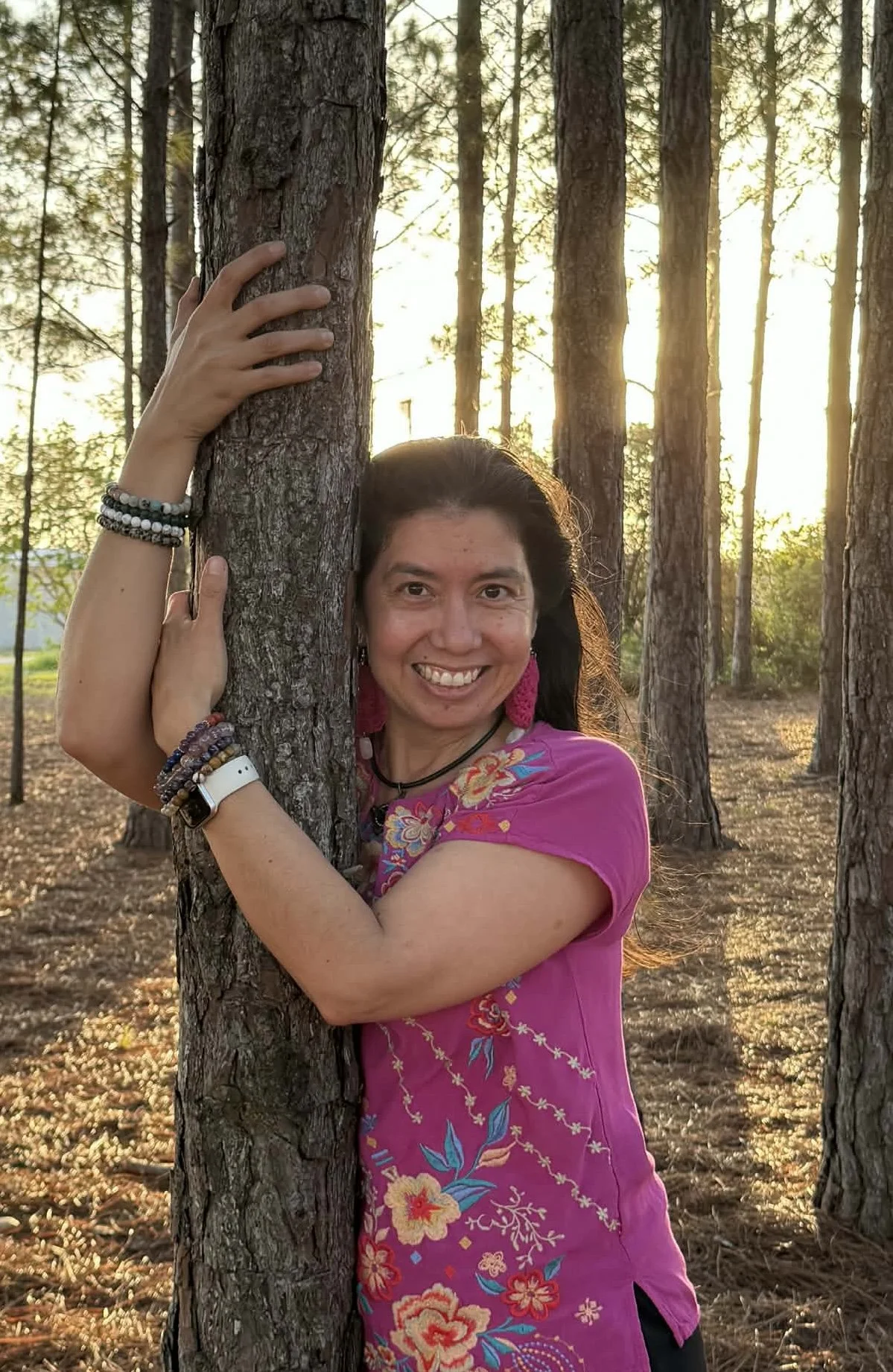
An Ask the Expert Feature with Johanna Raye DuBose
At Alma, we believe that living well starts with knowing yourself — your habits, your values, and the choices that either align with or quietly work against the life you're building. That's why we're featuring wellness coach and sobriety advocate Johanna Raye DuBose in this edition of Ask the Expert. Whether you're alcohol-free, sober-curious, or simply paying more attention to what's in your glass, this conversation is worth reading. Johanna brings warmth, honesty, and a refreshingly judgment-free perspective to one of the most personal wellness conversations happening right now.
1. The sober-curious movement seems to have gained significant traction recently. What is driving that?
People want to feel good and live their best lives! In 2018, Ruby Warrington published Sober Curious: The Blissful Sleep, Greater Focus, Limitless Presence, and Deep Connection Awaiting Us All on the Other Side of Alcohol, sparking this movement. Then, the COVID-19 pandemic brought mental health into everyday conversation and prompted many to reassess their habits and routines and notice how alcohol affected their anxiety, sleep quality, emotional dysregulation and overall stress levels. In 2023, when the World Health Organization published a statement in The Lancet Public Health noting that when it comes to alcohol consumption, there is no safe amount that does not affect health, the conversation continued as folks realized that alcohol consumption does not align with their values and health goals. If even one glass of wine will affect my health, is it worth it? If I'm working so hard training for a 5K, is drinking supporting or derailing my progress?
Also, celebrities such as Eminem, Elton John, Miley Cyrus are sharing their alcohol free journeys out loud, demonstrating that wealthy, talented, famous people can live full and exciting lives, without the chaos and hangovers that booze brings. Aside from celebrities, everyday folks on social media share their #soberjoy and #sobercurious posts and show that joy and fun are not automatically tied to drinking.
Another factor is the increase in options of non alcoholic options, from beers and wines to ready to drink mocktails and even powders (avrolife.com) to mix with water to create yummy beverages on the go. Knowing there is a tasty drink out there besides water and sodas make socializing alcohol free more appealing.
2. What are the biggest misconceptions about people who choose a sober lifestyle, and how can we remove any stigma?
One of the biggest misconceptions is that people who choose sobriety must have had a serious drinking problem or that they identify as an "alcoholic." There's often an assumption that choosing not to drink means someone is struggling, unhappy, boring, or missing out socially. Choosing an alcohol-free lifestyle can simply be an intentional wellness choice, not a response to hitting "rock bottom". I frame my sobriety from an empowerment perspective, as I truly believe that the best version of me is alcohol free. Removing alcohol from my life brought expansion and allowed me to build a life I didn't need to drink to escape from.
Another common misconception is that alcohol is necessary for enjoyment, connection, celebration, or relaxation. In reality, many people discover that sobriety allows them to experience life more fully being present at concerts, gatherings, and everyday moments while creating memories they can actually recall. In sobriety, I focus on presence, being mindful and fully engaged with the people and places that bring me joy.
We can remove any stigma by recognizing that sobriety exists on a spectrum and doesn't require a label or diagnosis and by respecting not drinking as a personal choice, just like any other lifestyle choice. In social situations, we can focus on the person rather than what's in their glass and on creating inclusive environments where connection isn't centered around alcohol.
3. What advice would you give to someone who's sober-curious but not sure where to start?
Approach your sober curiosity with openness and self compassion, from a judgement free lens. Being curious and intentional allows you to focus on what you want, not just on avoiding alcohol. Ask yourself, "What do I want more of? What am I hoping to feel? Does my current lifestyle reflect what I value?"
Awareness is the first step- simply notice and get curious. Notice when you reach for that boozey beverage. Ask yourself, do I want to drink or do I want to change the way I feel? Remember HALT, and ask, "Am I Hungry? Angry? Lonely? Tired?"
If yes, to any of the above, give yourself fifteen minutes and start there! If you're hungry, have a snack, angry, journal about what's pissing you off, lonely, phone a friend, tired, take a power nap or rest your eyes for a bit. If, after fifteen minutes, you still feel like having a drink, move on to step 2.
Keeping the fridge stocked with alternatives, like flavored seltzers, mineral waters, refreshing juices or kombuchas, or non alcoholic beers or ready to drink mocktails, is step 2. Grab that instead and proceed to the next thing.
Step 3 is, if you still feel an urge to drink, reach out to a supportive friend. Community and connection make a difference, as well as having an accountability partner. Ask your friends if anyone would like to join you in exploring sober curiosity for Dry July.
Following steps 1-3 will keep you mindful and aware, and you will notice patterns, valuable data points to explore. If after step 3, you still want alcohol, that is noteworthy information and you made a conscious decision. Give yourself grace, and know that tomorrow is a new day and fresh start.
At the beginning of my sobriety journey, my goal was to hit the pillow sober, so I went to bed early a lot of nights. It kept me alcohol free, and I noticed the quality of my sleep improving, so that was also a win!
From my personal experience, connection was critical. I joined an online sobriety support community called The Luckiest Club and logged on daily zoom meetings with amazing humans who cheered me on and offered encouragement. The beginning of each meeting starts with a check in where everyone is invited to share their "day count", how many days they have been alcohol free. At my first meeting, on June 25, 2021, I shyly and tentatively shared that it was my first day sober, and was immediately welcomed and supported. This accountability and my determination kept me going, as I wanted to keep my sober streak going, and I will soon hit my five year soberversary.
Here is a link for a free 7 day trial to join The Luckiest Club: TLC
4. For event hosts, how do you create an atmosphere that still feels fun and welcoming for guests who aren't drinking?
I love this question! You can create a welcoming atmosphere by making clear that alcohol is not the main event, and by offering meaningful ways to connect. Begin by using intentional language on the invitation or event description. Simply stating "We've got cocktails and great alcohol free options" highlights the inclusivity of the event. Offering a refreshing mocktail with a festive garnish sends the message that what matters is your presence, not what is in your glass.
Also, in addition to mocktails, serving a non alcoholic (NA) beer, such as Michelob Ultra Zero, Blue Moon NA or Athletic Lite Lime and Salt (my personal favorite!), shows that the menu was crafted with purpose for all attendees, and non drinkers are not just an afterthought.
Next, plan meaningful ways to socialize, encouraging attendees to mingle and get to know each other. To spark conversation, pass out question cards with prompts like "what are you most proud of", or to describe a favorite piece of art or album (my favorite is asking folks to share "glimmers of joy"), or play connection Bingo (where you find someone who is left handed, has broken a bone, likes olives, loves singing karaoke, has traveled to another country, etc). Since people often connect more naturally while doing something together, offer interactive experiences like scavenger hunts, lawn games- cornhole, giant Jenga, and giant Connect 4- or a photo booth or selfie station with props.
Here, the drinks are only one aspect of the event, and your guests will walk away with memories of the enjoyable experience, connection and inclusive environment you created.
5. What are some delicious and easy mocktail recipes?
For hot summer days, try a watermelon mint cooler. First muddle a cup of watermelon chunks with 8-10 mint leaves, stir in an ounce of lime juice, and add ice. Then top off the glass with Topo Chico or sparkling water, stir and sip!
For a fruity mocktail, I love pineapple juice and Topo Chico muddled with fresh herbs like basil or mint. Another is ginger beer mixed with lime juice and muddled mint. I also enjoy pomegranate juice with lime and ginger beer. I like my mocktails less sweet and more herby so I tend to pour less juice and more sparkling water. The experimentation is part of the fun!
My go to drink is Topo Chico or other sparkling mineral water mixed with All The Bitter Lavender and Chamomile, Orange Cardamom or Herb Garden bitters (ATB). Bitters are the spice rack for your bar cart, and these small batch 0% ABV bitters are made from whole organic botanicals. Simply add 3-5 dashes to your mineral water and enjoy!
Personally, I like to keep some alcohol free spirits on hand and add them to any mocktail, such as Cut Above Spirits ([Drink Cut Above](https://drinkcut above.com)).
I recommend following @libations_library and @mocktail.mom on Instagram for amazing recipes.
Connect with Johanna: Instagram @joyraye_just.own.yourself